
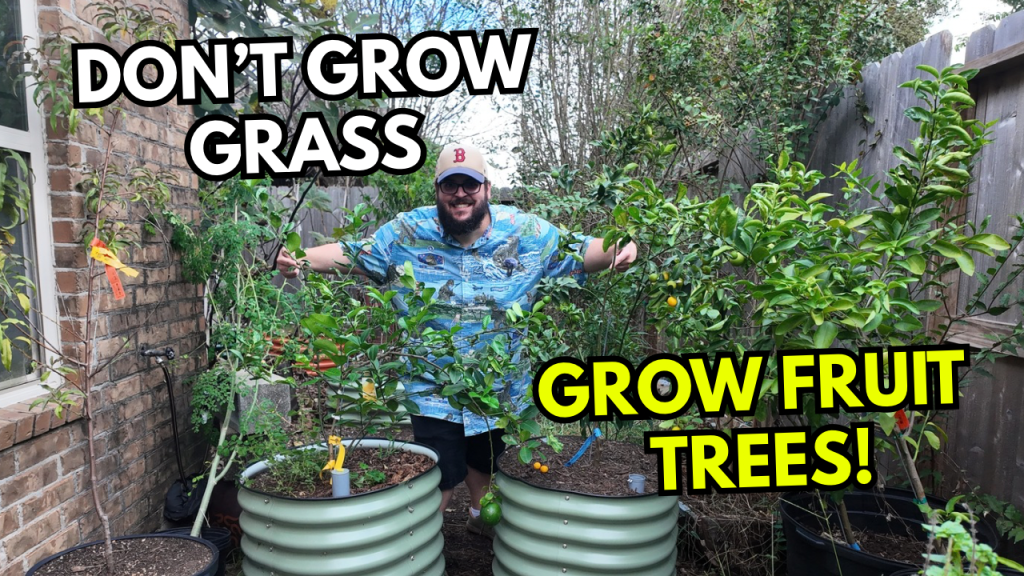
What if your backyard could give you something to eat instead of just something to mow?
I know this might be a controversial opinion, but I think more homeowners should be growing fruit trees in their backyards. In fact, if you’re not growing fruit trees, you may be missing an opportunity to turn otherwise unused space into a productive part of your garden.
Lawns require water, fertilizer, maintenance, and plenty of time. Fruit trees can provide something in return: fresh fruit.
With food prices continuing to rise, growing some of your own food can also be a practical way to make better use of your backyard. And you don’t need a huge property to do it.
I grow a large collection of fruit trees in my own relatively small backyard garden, including citrus, figs, dragon fruit, stone fruit, and tropical fruit trees. Many of them are growing in containers or other space-saving setups.
Watch the full video: Growing Fruit Trees in a Small Backyard
You Don’t Need a Huge Backyard to Grow Fruit
One of the biggest misconceptions about growing fruit trees is that you need a large yard.
You don’t.
There are many fruit trees that can be grown in containers, raised beds, whiskey barrels, or other compact growing spaces. You can also save significant space by growing multi-grafted trees that produce several varieties of fruit from a single tree.
If you’re working with a small backyard, the key is choosing the right varieties and making efficient use of the space you have.
Here are some of the fruit trees and growing methods I’m using in my own garden.
1. Grow Citrus in Containers
Citrus is one of my top recommendations for a small backyard garden because many varieties grow extremely well in containers.
I have around a dozen citrus trees, and most of them are growing in containers. Growing citrus this way has another major advantage: mobility.
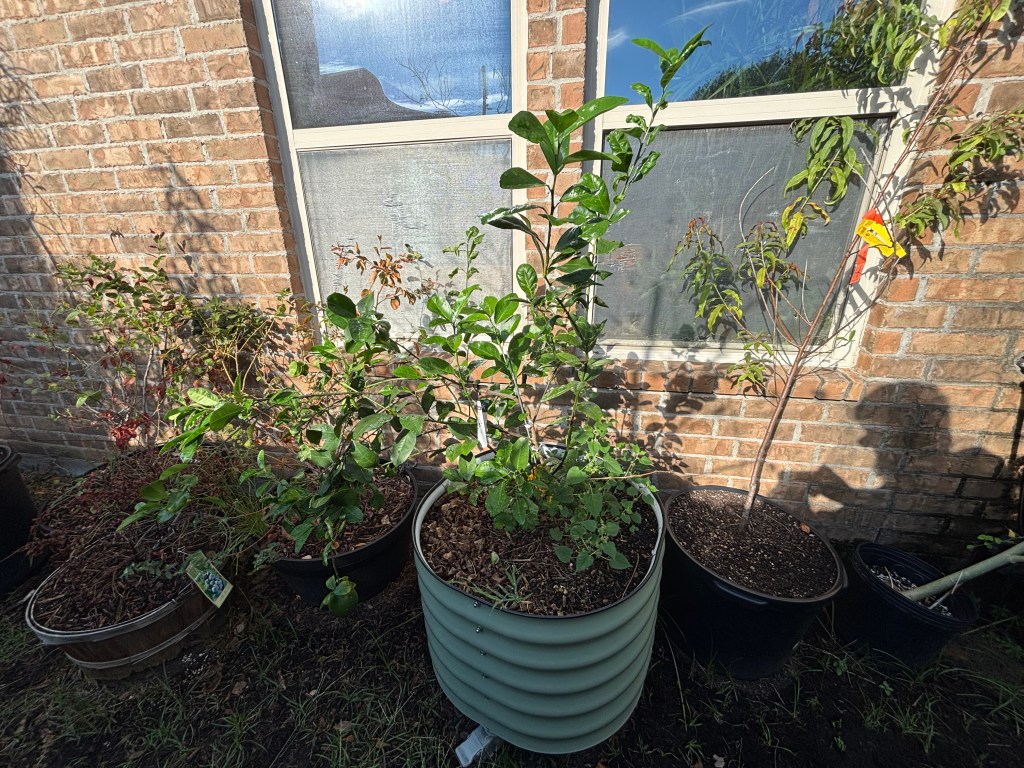
For example, I have a New Zealand lemonade lemon growing in a rolling citrus planter. The fruit is supposed to have the flavor of a lemon without being quite as tart, with some mandarin-like characteristics. I’m looking forward to harvesting it and finally tasting it.
I also have a sweet kumquat growing in another rolling planter.
Kumquats are especially fun because you can eat the entire fruit, including the skin. There are both tart and sweet varieties, and the sweet varieties can be harder to find.
Why grow citrus in a rolling container?
If you live somewhere that experiences occasional freezes, a rolling planter can make protecting your citrus much easier.
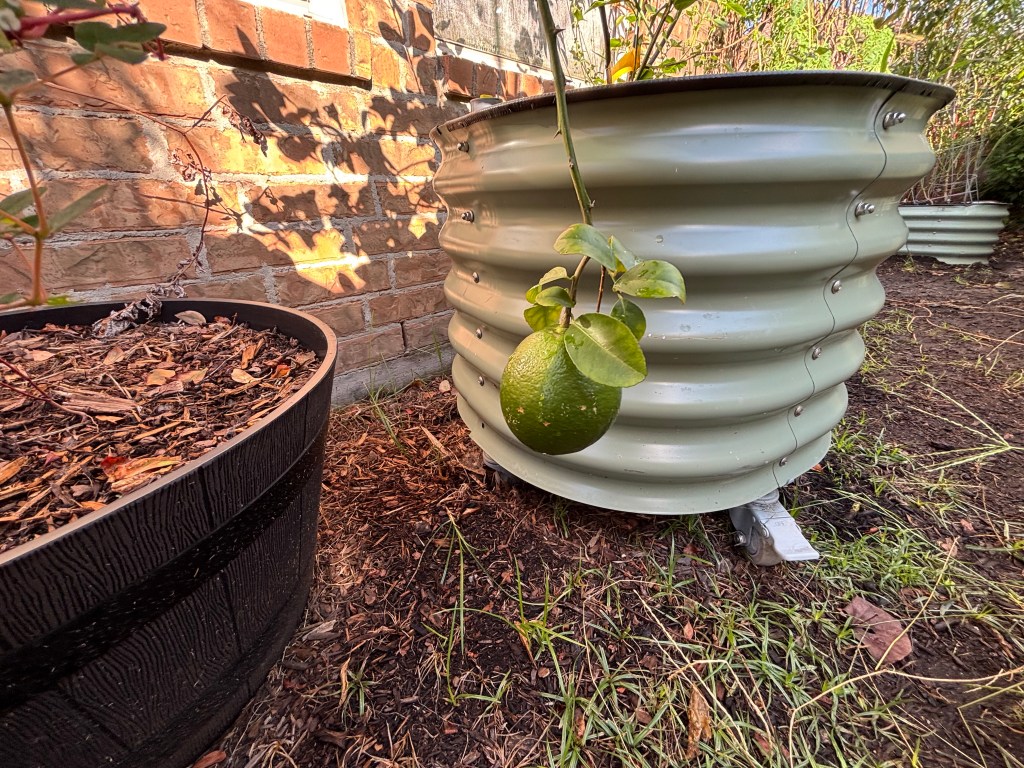
Instead of trying to move a large tree after it’s planted in the ground, you can roll the container into a garage, greenhouse, or another protected location when freezing weather arrives.
For gardeners in climates where citrus needs occasional winter protection, that flexibility can be extremely useful.
2. Save Space With a Fruit Salad Tree
Another great option for a small backyard is a multi-grafted fruit tree, sometimes called a fruit salad tree.
I currently have one growing in a 15-gallon container. The tree has multiple types of stone fruit grafted onto it, including plums, peaches, apricots, and nectarines.
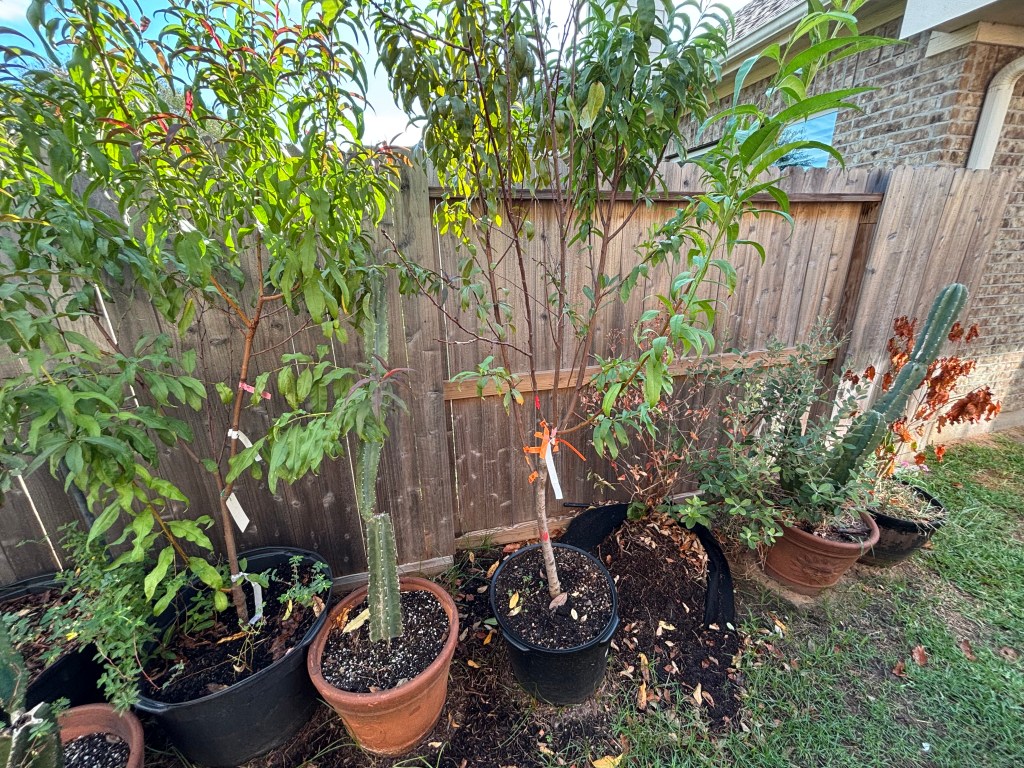
Think about the space savings.
Instead of finding room for four separate fruit trees, you can potentially grow multiple varieties on a single tree.
That can make a huge difference when you’re gardening in a small backyard.
I’m planning to eventually plant this tree in a circular raised bed. For deciduous fruit trees, planting while the tree is dormant can give it time to establish before the next growing season.
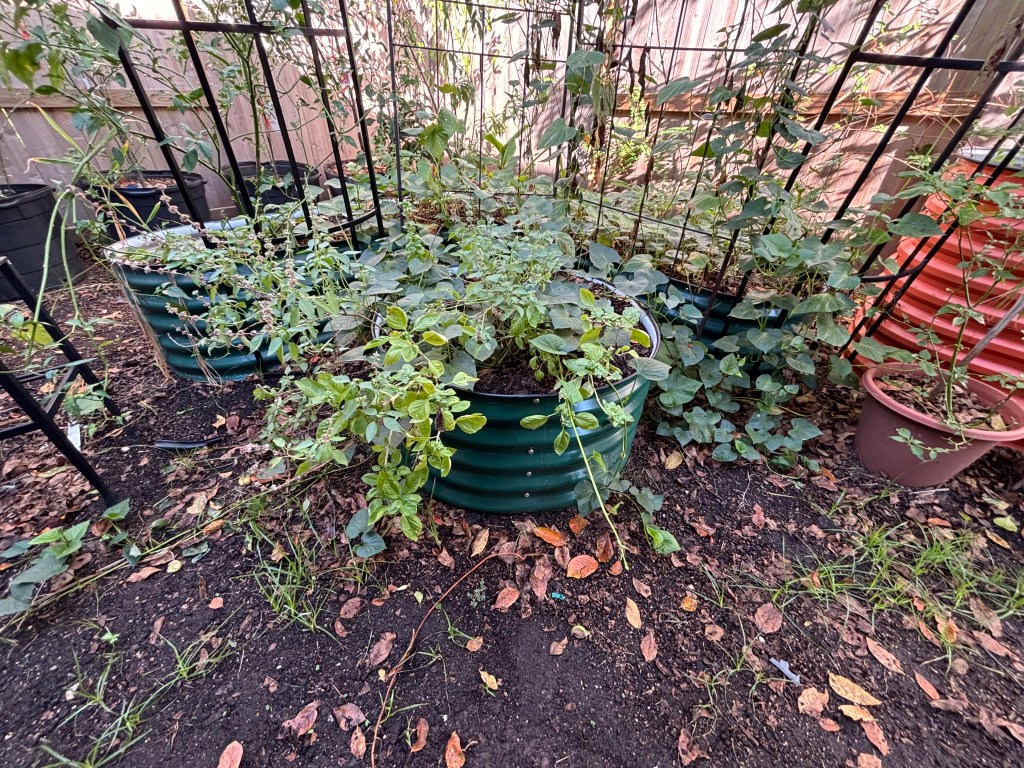
3. Use Raised Beds for Fruit Trees
Raised beds aren’t just for vegetables.
They can also be an excellent way to incorporate fruit trees into a small garden while keeping your growing space organized.
A raised bed can work particularly well for deciduous fruit trees such as peaches and other stone fruits.
In my garden, I also grow a yuzu mandarin in a raised bed. Yuzu is much more cold tolerant than many other types of citrus, although that doesn’t mean it can simply be ignored during a freeze.
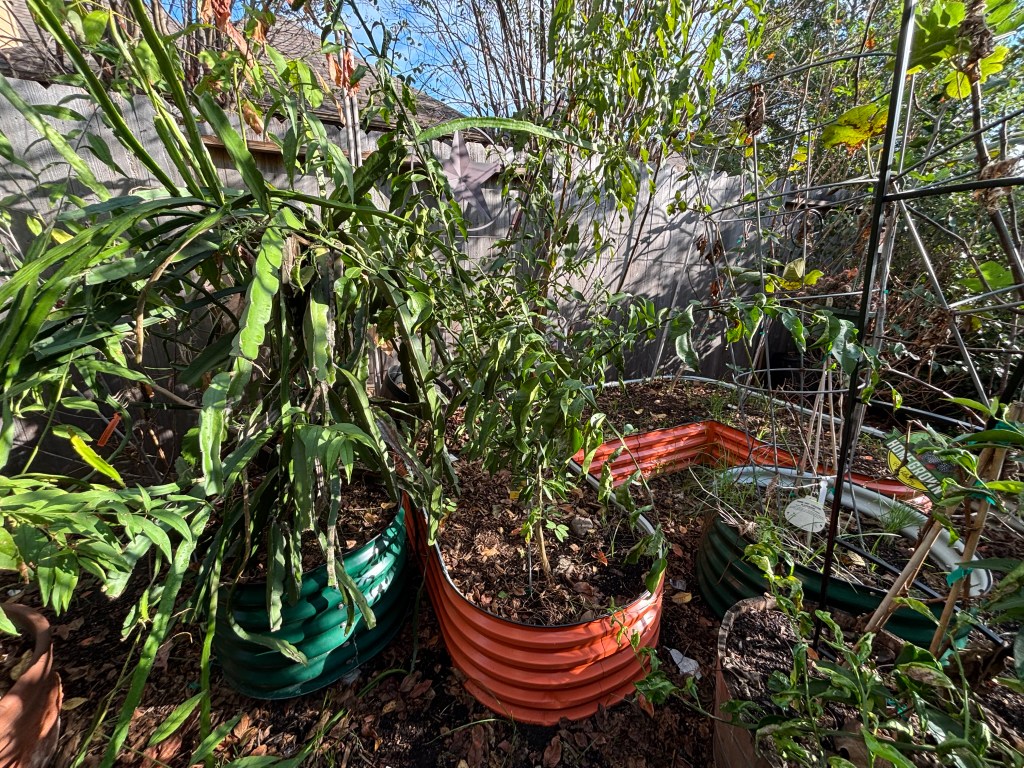
One important distinction is that cold tolerance and frost tolerance aren’t necessarily the same thing. Even a cold-hardy citrus tree can need protection when freezing weather brings frost, ice, or snow.
4. Grow Fruit Trees in Whiskey Barrels
Whiskey barrels are another interesting option for growing fruit trees in a small backyard.
I have several fruit trees growing in whiskey barrels, including a multi-grafted plum tree and an older Celeste fig tree.
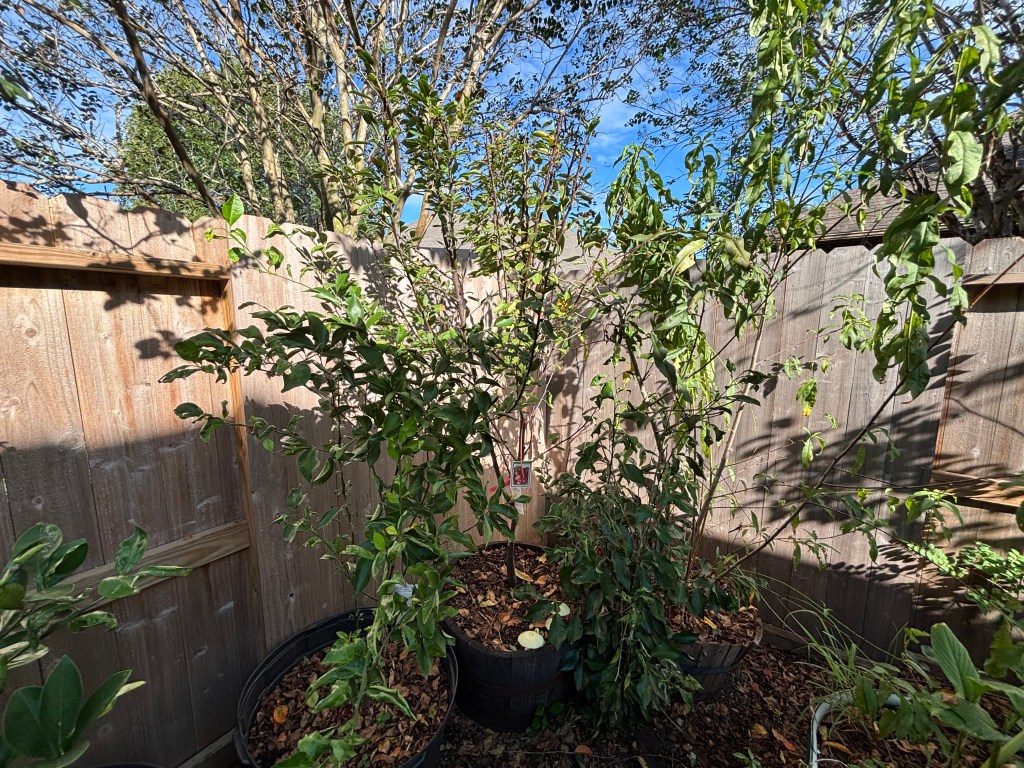
There is one important thing to understand about growing trees in wooden containers, though.
Eventually, the bottom of the barrel can rot away.
That might sound like a problem, but it can actually create an interesting situation. Once the roots grow down into the soil, the tree can essentially transition from being a traditional container plant into something resembling a raised bed.
The important part is that you shouldn’t plan on moving the barrel once the tree becomes established.
Once the roots have grown into the ground and the wood starts deteriorating, trying to move the barrel could cause it to fall apart.
So choose your location carefully.
5. Dragon Fruit Is Perfect for Container Growing
Dragon fruit is another excellent choice for gardeners who want to grow unusual fruit in a small space.
In fact, container growing makes a lot of sense for dragon fruit, particularly if you live somewhere that experiences freezing temperatures.
Dragon fruit doesn’t tolerate freezing conditions well, so being able to move the plant into protection can be extremely valuable.
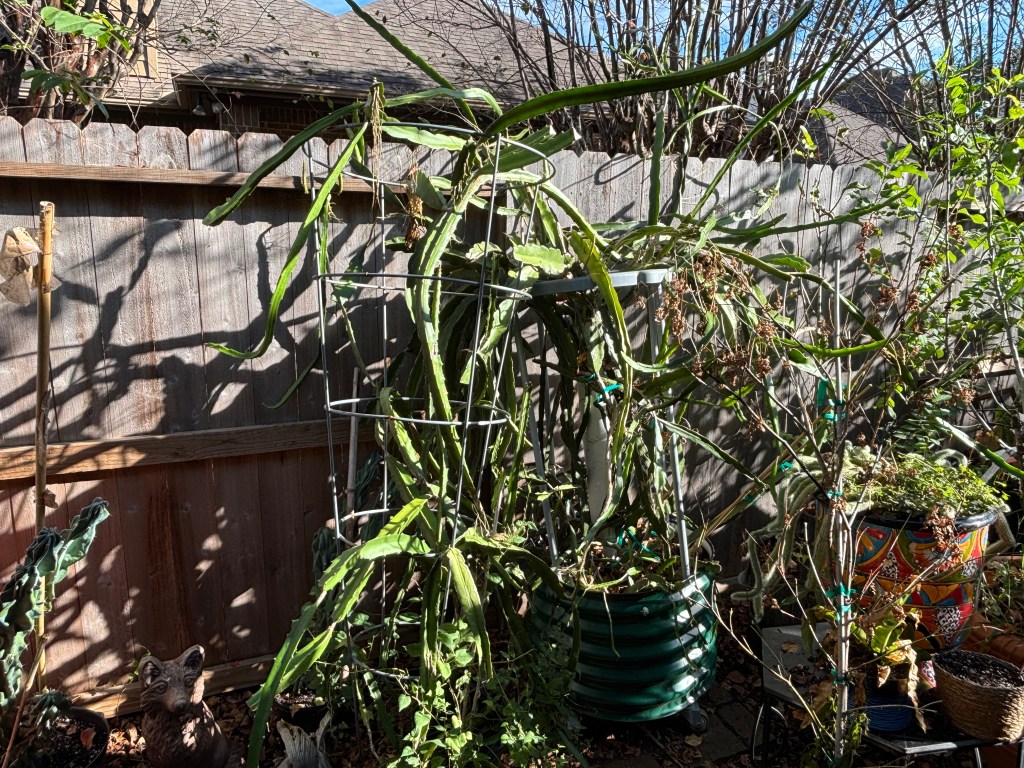
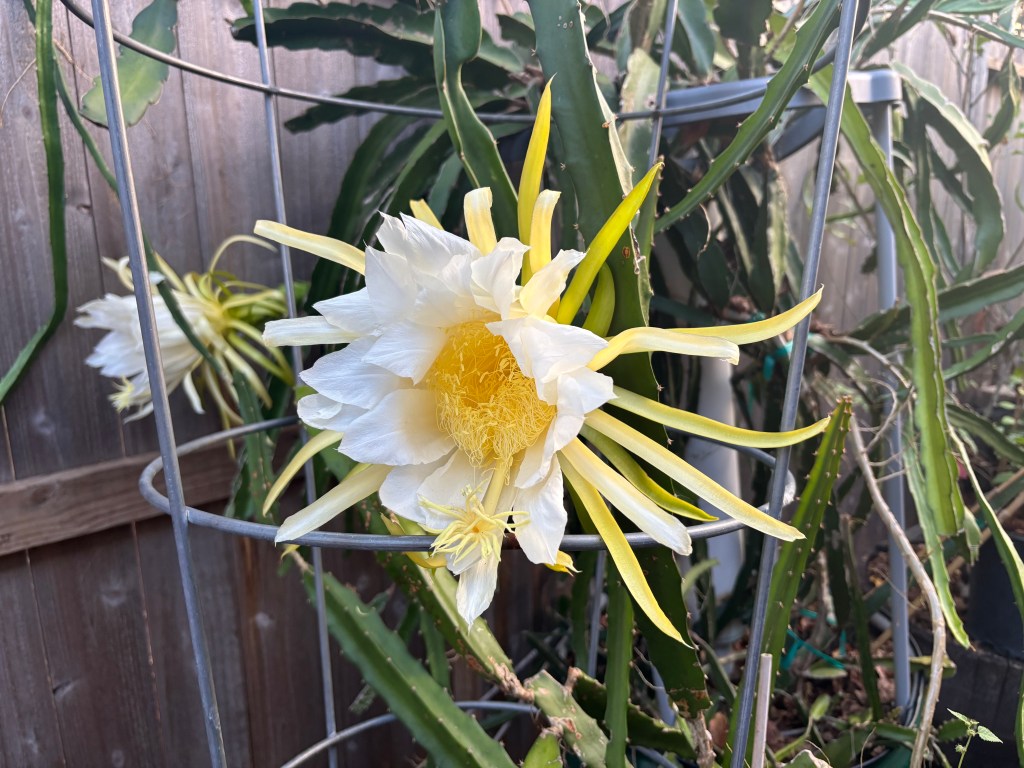
I have several varieties growing in my garden, including a pink-fleshed variety.
There are specialized dragon fruit planters available with built-in trellises, although you can also create your own support system.
One thing to pay attention to when buying dragon fruit is pollination.
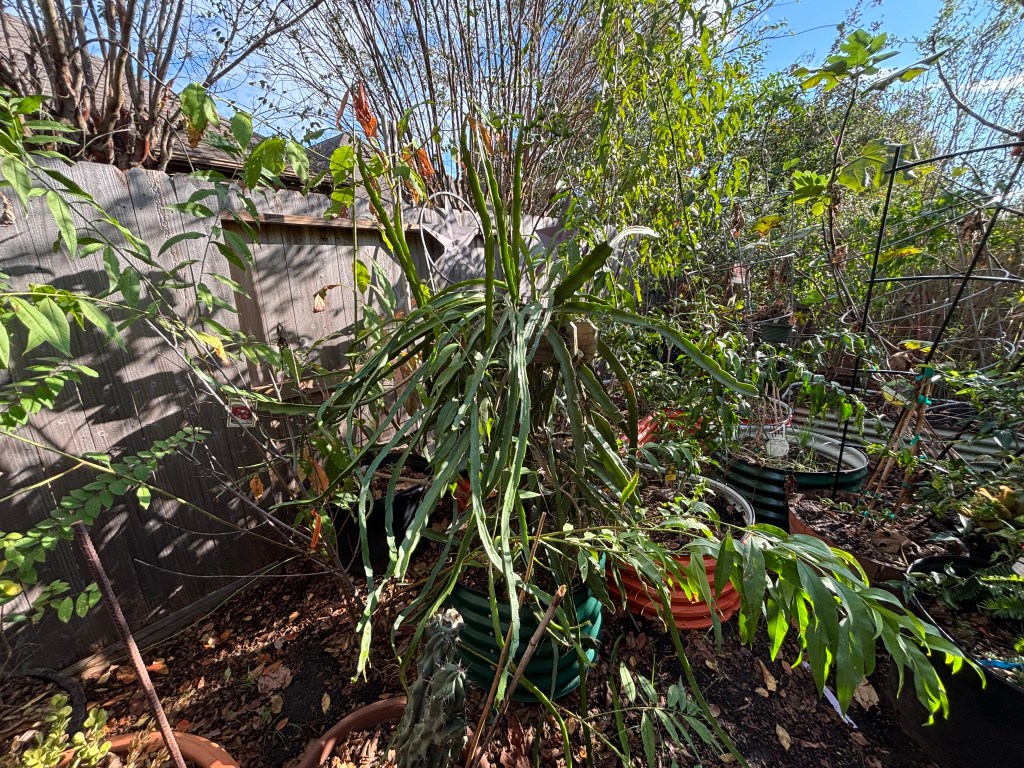
Some varieties are self-fertile while others are self-sterile. If you choose a self-sterile variety, you’ll need another compatible plant and will have to hand-pollinate the flowers to produce fruit.
That’s something worth researching before you buy.
6. Experiment With Tropical Fruit Trees in Containers
Containers also make it possible to experiment with fruit trees that wouldn’t necessarily be ideal for your climate.
For example, I’m growing a black sapote, sometimes called a chocolate pudding tree.
The fruit is known for having a texture and flavor reminiscent of chocolate pudding, which makes it a pretty interesting tree to grow at home.
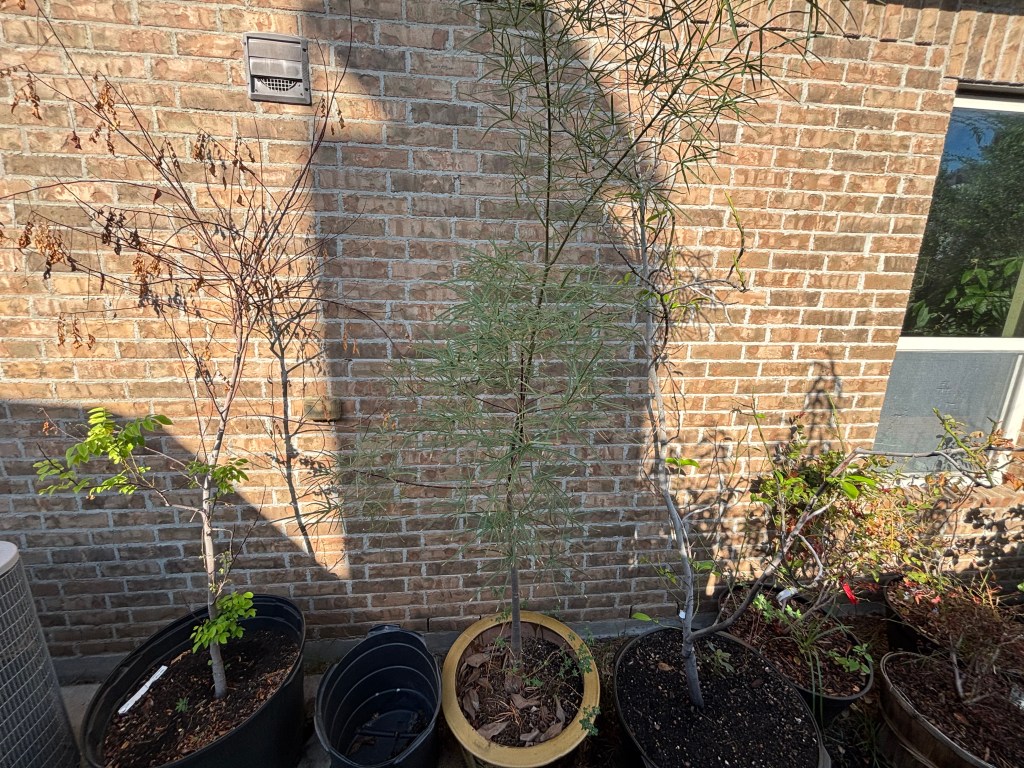
Mine is growing in a 25-gallon plastic container.
I also have a starfruit tree growing nearby. Both trees have had some challenges, particularly after I was away during extremely hot weather and they didn’t receive enough water.
The starfruit suffered some significant damage, while the black sapote lost many of its leaves.
Fortunately, both trees are showing signs of recovery.
That’s part of the fun of growing unusual fruit trees. Sometimes you’re experimenting and learning as you go.
7. Don’t Forget About Fig Trees
Figs are another excellent option for small gardens.
They can be grown in containers and can also work well in larger wooden containers such as whiskey barrels.
My oldest fruit tree growing in a whiskey barrel is a Celeste fig.
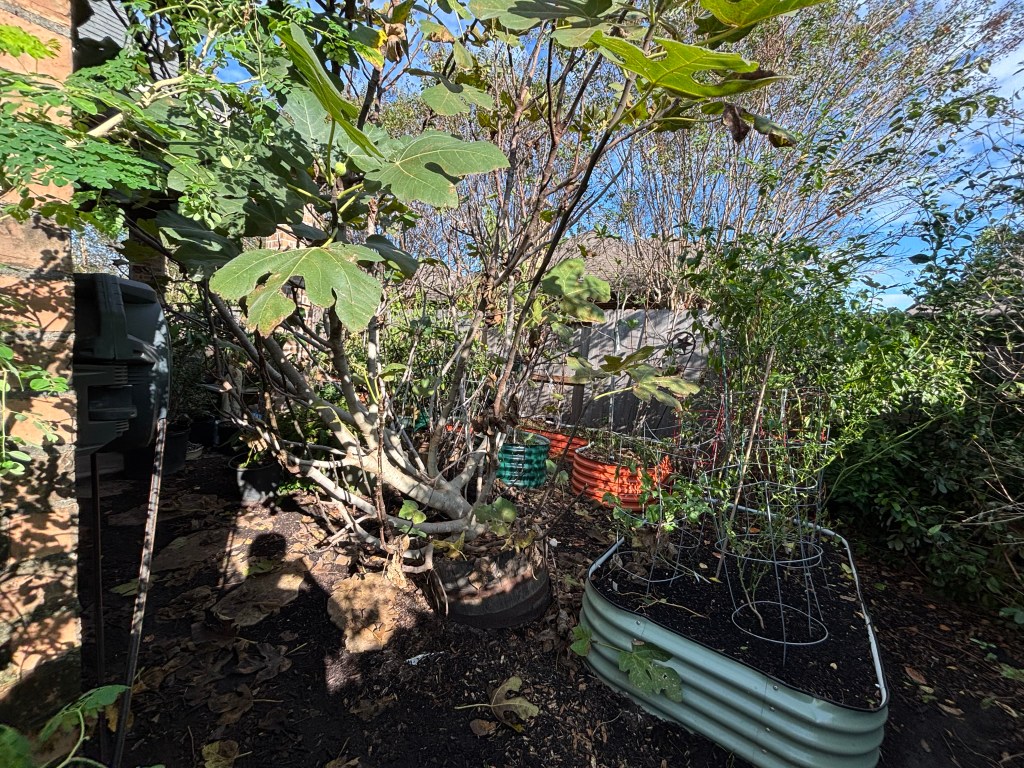
The barrel is now starting to deteriorate, but as I mentioned earlier, the roots have had time to grow down into the soil. That means the tree is effectively becoming more like a raised-bed planting.
I’m planning to prune the tree fairly heavily later in the fall to keep it under control.
Figs are particularly useful for smaller gardens because they can be managed with pruning rather than simply allowing the tree to grow as large as possible.
Turn Your Backyard Into a Productive Garden
Your backyard doesn’t have to be a giant orchard to produce meaningful amounts of fruit.
A few well-chosen trees can make a big difference.
Containers allow you to grow citrus and other fruit trees while giving you the ability to move them when necessary. Multi-grafted trees allow you to grow several varieties in the footprint of a single tree. Raised beds can turn unused portions of the yard into productive growing areas. Whiskey barrels can provide another option for growing fruit trees while eventually allowing roots to establish in the ground.
And if you have even more limited space, you can focus on compact or container-friendly fruiting plants such as figs, citrus, and dragon fruit.
The goal isn’t necessarily to replace every square foot of lawn with an orchard overnight.
It’s to start looking at your backyard differently.
Instead of asking, “How much grass can I grow?”
Ask, “How much food can I grow?”
Why Grow Fruit Instead of Grass?
A lawn can certainly have a purpose, but a backyard doesn’t have to be dominated by grass.
Grass requires regular mowing, watering, fertilization, and maintenance. A fruit tree, on the other hand, can provide shade, habitat, beauty, and eventually food.
And with the cost of groceries continuing to be a concern, growing some of your own fruit is one small way to become more self-reliant.
You don’t have to grow everything you eat.
You don’t even need a large garden.
Start with one fruit tree.
Choose something that fits your climate and your available space. If you don’t have room for a full-sized tree, put one in a container.
Over time, that one tree can become two, then three, and eventually a productive little backyard orchard.
Watch the Video
I cover all of these fruit trees and growing methods in my latest video, including updates on the trees currently growing in my own Houston, Texas garden.
Watch the video here:
https://youtu.be/TDWqIPTtkI0
If you’re interested in growing fruit in a small backyard, I hope it gives you some ideas for making better use of the space you already have.
What fruit tree are you growing in your garden? Let me know in the comments on the video.
Happy gardening!



Leave a Reply